
Pediatric Stool Testing in Outpatient Clinics: Rapid Antigen Detection, Enteric Multiplex Panels & Acute Gastroenteritis Management in the UAE
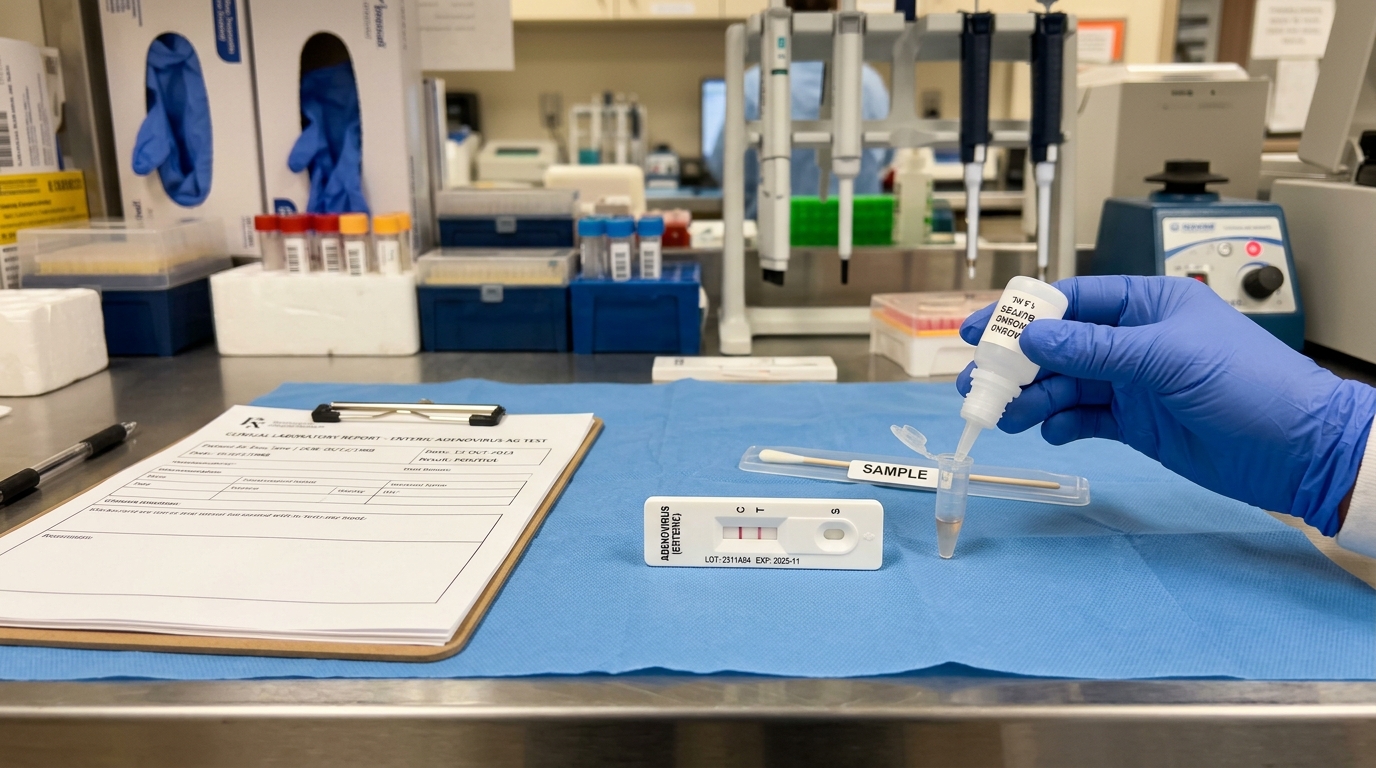
In pediatric outpatient centers across the UAE, rapid enteric pathogen identification prevents unnecessary antibiotic exposure and directs precise fluid resuscitation. Review our certified gastrointestinal rapid test kits and fecal diagnostic cassettes in Dubai designed for 15-minute point-of-care accuracy in pediatric and primary care environments.
Clinical Triage: When Is Stool Testing Truly Indicated in Children?
International pediatric guidelines from the AAP, ESPGHAN, and IDSA strongly discourage routine stool cultures or testing for uncomplicated, acute watery diarrhea of less than 7 days duration without systemic red flags. Diagnostic testing is indicated in specific cohorts:
- Grossly Bloody Stool (Dysentery): Presence of visible macroscopic blood or mucus in the stool warrants immediate diagnostic evaluation to distinguish invasive bacterial enteritis (Campylobacter, Salmonella, Shigella, STEC) from non-infectious surgical emergencies (intussusception, Meckel’s diverticulum).
- Severe Dehydration with High Systemic Fever: Toxic-appearing children with lethargy, prolonged capillary refill (>3 seconds), sunken fontanelles, tachycardia, and fever >39°C.
- Prolonged or Chronic Diarrhea (>7–14 Days): Protracted loose stools suggest protozoan parasites (Giardia duodenalis, Cryptosporidium), post-infectious carbohydrate malabsorption/secondary lactase deficiency, or underlying inflammatory bowel disease.
- Daycare Outbreak or Nosocomial Investigation: Identification of virulent viral strains (Norovirus, Rotavirus) or bacterial pathogens to implement mandatory public health isolation protocols per UAE childcare safety standards.
- Underlying Immunocompromise or Severe Malnutrition: Children with congenital immunodeficiencies, oncological patients on chemotherapy, or those with chronic renal/hepatic disease.
Comparison of Pediatric Stool Diagnostic Modalities
Outpatient clinics utilize distinct laboratory modalities depending on urgency, clinical presentation, and facility capabilities:
| Diagnostic Modality | Primary Target Pathogens | Clinical Turnaround Time | Clinical Strengths | Diagnostic Limitations |
|---|---|---|---|---|
| Rapid Lateral Flow Antigen Combo | Rotavirus Antigen & Enteric Adenovirus 40/41 | 15 Minutes (In-Clinic POCT) | Instant viral confirmation; reassures anxious parents; halts inappropriate antibiotic requests. | Does not detect Norovirus, Astrovirus, or bacterial enteric pathogens. |
| Fecal Calprotectin Rapid Test | Neutrophilic Intestinal Inflammation Biomarker | 15 to 30 Minutes | Differentiates functional diarrhea (IBS) from organic mucosal inflammation (IBD/bacterial enteritis). | Non-specific biomarker; elevated in any mucosal inflammation, including viral enteritis in young infants. |
| Stool Multiplex Molecular NAAT / PCR | Bacterial, Viral & Parasitic Panel (15–22 Pathogens) | 2 to 6 Hours (Automated Platform) | Exceptional sensitivity (>98%); detects non-culturable organisms, toxins, and co-infections simultaneously. | Cannot differentiate active viable replication from shedding of non-viable nucleic acid post-clearance. |
| Stool Microscopy (Ova & Parasites) | Giardia lamblia, Entamoeba histolytica, Cryptosporidium | 24 to 48 Hours | Inexpensive morphological identification of trophozoites, cysts, and helminth ova. | Highly operator-dependent; intermittent shedding requires 3 separate stool samples on alternate days. |
| Conventional Stool Bacterial Culture | Salmonella, Shigella, Campylobacter, Yersinia | 48 to 72 Hours | Gold standard for phenotypic Antimicrobial Susceptibility Testing (AST); guides targeted antibiotics. | Slow turnaround; sensitive to pre-analytical transport delays and prior antibiotic exposure. |
The Critical STEC Warning: Why Antibiotics Can Be Lethal in Bloody Diarrhea
In pediatric outpatient medicine, the most perilous clinical pitfall is reflexively prescribing oral antibiotics (such as Azithromycin, Cefixime, or Co-Amoxiclav) for acute bloody diarrhea without rapid diagnostic confirmation:
Infection with Shiga Toxin-Producing Escherichia coli (STEC / EHEC)—such as serotype O157:H7—is a prominent cause of pediatric dysentery. Administering bactericidal antibiotics to a child with STEC causes massive bacterial cell lysis, triggering the explosive release of preformed Shiga toxins (Stx-1 and Stx-2) into the bloodstream! This dramatically increases the risk of the child developing Hemolytic Uremic Syndrome (HUS)—characterized by microangiopathic hemolytic anemia, acute thrombocytopenia, and acute oliguric renal failure requiring pediatric dialysis! Stool multiplex PCR or rapid Shiga toxin immunoassays must rule out STEC prior to initiating any antibacterial therapy.
Practical Pediatric Stool Collection Guidelines for Outpatient Clinics
Obtaining an adequate, unadulterated stool specimen from infants and toddlers in disposable diapers presents significant pre-analytical challenges. Clinical staff should guide parents using standardized protocols:
- Prevent Diaper Absorption: Modern disposable diapers contain superabsorbent polymer gelling cores that instantly absorb fluid, leaving only dry residue. To collect a valid liquid or loose sample, parents should invert the clean diaper (plastic backing facing the child’s skin) or line the inside of the diaper with clean plastic food wrap (Saran wrap) to pool the liquid stool.
- Avoid Urine and Diaper Cream Contamination: Stool mixed with urine must be rejected because urine contains urea and physiological salts that degrade bacterial DNA, alter calprotectin concentrations, and lyse protozoan trophozoites. Zinc oxide barrier creams interfere with chromatographic membrane migration in rapid cassettes.
- Volume and Specimen Transport: Collect approximately 1 to 2 grams (a walnut-sized portion of solid stool) or 2 to 5 mL of liquid diarrheal stool into a sterile screw-cap container. For viral antigen rapid tests, testing should occur within 2 hours of collection at room temperature, or stored at 2–8°C for up to 48 hours. If bacterial culture or PCR is requested, transport in Cary-Blair enteric medium is mandatory.
Hydration-First Management Protocol: The Core of Pediatric Care
Regardless of rapid test results, the foundation of acute gastroenteritis management remains physiological rehydration:
| Dehydration Severity | Clinical Indicators | Primary Outpatient Management | Monitoring & Re-Evaluation |
|---|---|---|---|
| No / Minimal Dehydration (<3% Weight Loss) | Normal alertness, moist mucous membranes, normal tears, prompt capillary refill | Continue age-appropriate normal diet and breastfeeding; replace fluid losses with 10 mL/kg ORS per watery stool. | Parental education on red flags (intractable vomiting, lethargy, decreased wet diapers). |
| Mild to Moderate Dehydration (3% – 9% Weight Loss) | Sunken eyes, decreased tears, dry tongue/mucosa, prolonged capillary refill (2–3s), tachypnea | Active Oral Rehydration Therapy (ORS): 50 to 100 mL/kg administered slowly over 3–4 hours in small sips (5 mL every 2 min via syringe). | Reassess every 2 hours. If vomiting persists, consider single-dose oral ondansetron (0.15 mg/kg) under medical supervision. |
| Severe Dehydration (≥10% Weight Loss / Shock) | Lethargy, unconsciousness, cold/mottled extremities, capillary refill >3s, weak rapid pulse, anuria | Immediate emergency IV fluid resuscitation: 20 mL/kg bolus of isotonic Normal Saline or Ringer’s Lactate; urgent pediatric admission. | Continuous hemodynamic monitoring; repeat boluses as needed; stat venous blood gas and electrolytes. |
Frequently Asked Questions (Clinical FAQ)
Does every child with green diarrhea need a stool test or antibiotics?
No. Stool color is primarily determined by transit time and bile breakdown, not by the type of bacteria or virus. Rapid intestinal transit in viral gastroenteritis causes bile to pass through without being converted to brown bilirubin metabolites, resulting in bright green stools. Green stool alone is completely benign and does not indicate a bacterial infection or the need for antibiotics.
Can a rapid Rotavirus/Adenovirus test be performed directly in the clinic?
Yes. Rapid combo lateral flow cassettes are designed specifically for point-of-care outpatient use. A small fecal swab is mixed into a pre-filled extraction buffer tube and applied to the test cassette, delivering clear visual results within 10 to 15 minutes while the family is still in the consultation room.
Should anti-diarrheal medications (like Loperamide) be given to children?
No, absolutely not. Anti-motility agents like Loperamide (Imodium) are strictly contraindicated in infants and children with acute gastroenteritis. By paralyzing intestinal peristalsis, these medications trap bacterial toxins inside the gut, prolonging mucosal damage and risking toxic megacolon, paralytic ileus, and severe systemic toxicity.
Authoritative Clinical References
- American Academy of Pediatrics (AAP) — Managing Acute Gastroenteritis in Children: Oral Rehydration and Nutritional Guidelines
- Infectious Diseases Society of America (IDSA) — Clinical Practice Guidelines for the Diagnosis and Management of Infectious Diarrhea
- European Society for Paediatric Gastroenterology, Hepatology, and Nutrition (ESPGHAN) — Guidelines for the Management of Acute Gastroenteritis in Children