
Ureaplasma Species Testing Options: U. urealyticum vs U. parvum, Real-Time PCR Differentiation & UAE Urogenital Health Protocols
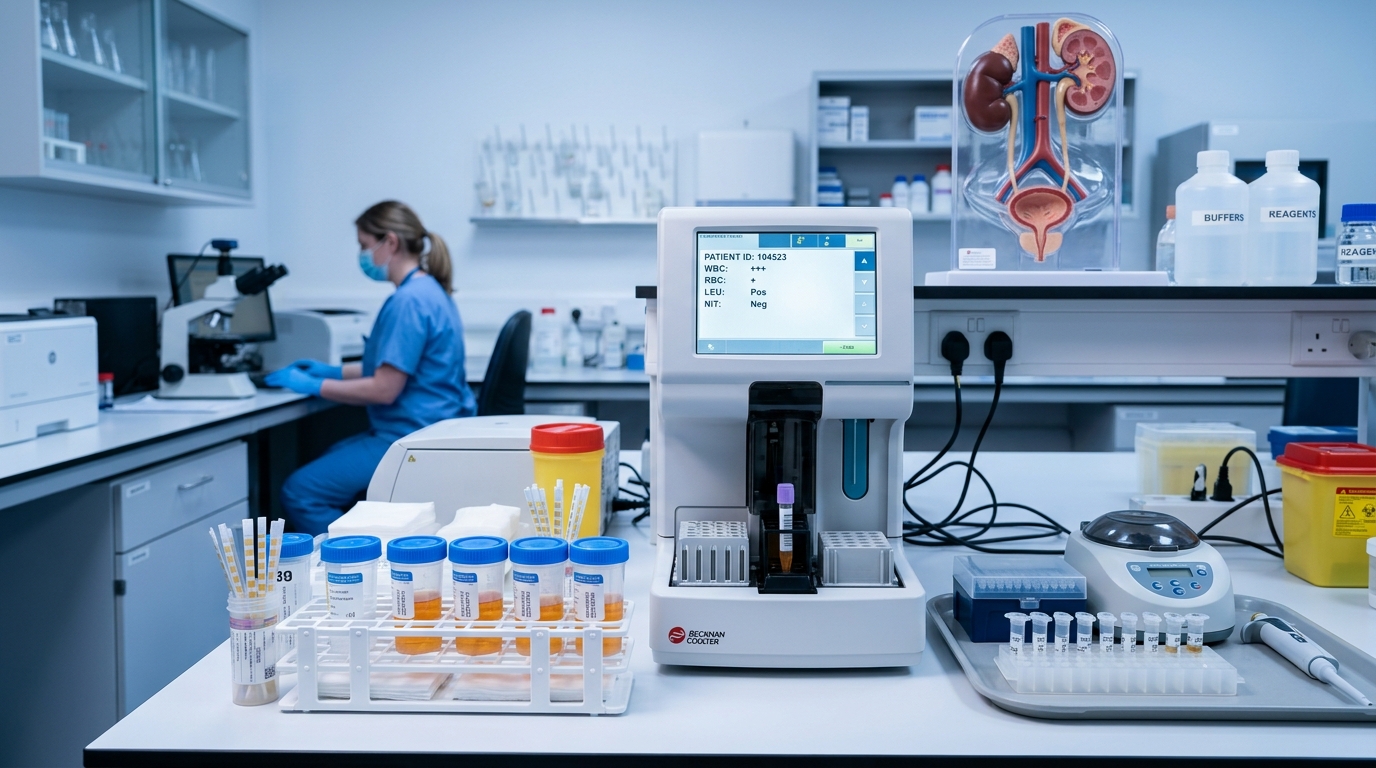
In urological centers, gynecology clinics, and diagnostic networks across Dubai, Abu Dhabi, and the wider UAE, molecular differentiation prevents antibiotic overuse. Booking specialized urogenital health and molecular PCR packages in Dubai ensures patients receive accurate species-level identification and resistance profiling.
The Critical Species Demarcation: U. urealyticum vs U. parvum
Understanding why species-level molecular differentiation is essential requires evaluating clinical pathogenicity:
- Ureaplasma urealyticum (Pathogenic Potential): Strongly correlated with chronic idiopathic Non-Gonococcal Urethritis (NGU) in men, acute epididymitis, impaired sperm motility, and adverse pregnancy outcomes (chorioamnionitis and preterm birth). It carries higher virulence factors (multiple banded antigen variations, phospholipase C activity) that trigger mucosal leukocyte migration.
- Ureaplasma parvum (Predominantly Commensal): The commonest genital mollicute colonizing the human lower genital tract. In asymptomatic women, U. parvum is frequently part of a healthy, non-inflammatory vaginal ecosystem and does not require antimicrobial eradication. Indiscriminate treatment of asymptomatic U. parvum drives widespread macrolide resistance without clinical benefit.
Comparative Testing Modalities Matrix
Diagnostic microbiology standards from the CDC, BASHH, and the European Society of Clinical Microbiology (ESCMID) compare methodologies:
| Diagnostic Technology | Species Differentiation Capability | Analytical Sensitivity & TAT | Clinical Practice Recommendation |
|---|---|---|---|
| Multiplex Real-Time PCR (NAAT) | Yes: Distinguishes U. urealyticum vs U. parvum | > 98% Sensitivity; Turnaround: 2 to 4 hours | International Gold Standard. Targets species-specific urease gene or 16S-23S rRNA intergenic spacer regions. |
| Liquid Culture & Color Change Broth (Urea Broth) | No (Reports generic “Ureaplasma spp.”) | 70% – 85% Sensitivity; Turnaround: 24 to 48 hours | Outdated. Relies on urea hydrolysis elevating pH (color change from yellow to red). Cannot tell urealyticum from parvum. |
| Agar Culture (A7 / Shepard’s Agar) | No (Microscopic “fried-egg” or brown granular colonies) | 60% – 75% Sensitivity; Turnaround: 48 to 72 hours | Technically challenging; required for phenotypic broth microdilution antimicrobial susceptibility testing. |
| Serological Antibody Testing (IgG/IgM) | None | Unreliable; zero diagnostic specificity | Strictly Contraindicated. High background seroprevalence in normal adult populations makes serology uninterpretable. |
The Quantitative Bacterial Load Concept (≥ 104 CFU/mL)
Because Ureaplasma can exist as a colonizer, quantitative real-time PCR or quantitative culture is clinically valuable:
- The 104 Threshold Rule: In clinical practice, bacterial titers ≥ 104 colony-forming units (or color changing units [CCU]/mL) in symptomatic patients are clinically considered diagnostic of active infection requiring antimicrobial treatment.
- Low Titer Colonization (< 103 CFU/mL): Low titers in an asymptomatic individual typically reflect benign mucosal colonization and should be observed without antibiotic therapy.
- Symptomatic Concordance: Treatment should only be initiated when two criteria align: (1) positive species-specific PCR (especially U. urealyticum) and (2) presence of objective symptoms (urethritis, dysuria, leukocyte esterase positivity, or chronic pelvic pain) with other pathogens (Chlamydia, Gonorrhea, Trichomonas, Mycoplasma genitalium) ruled out.
Sample Collection Rules for Accurate Molecular Detection
Pre-analytical specimen collection directly impacts assay accuracy:
- Men — First-Void Urine: Must provide the first 15 to 30 mL of urine, having held urine for at least 1 to 2 hours. Mid-stream urine is inadequate. Alternatively, a urethral swab collected 2 cm into the meatus provides high yields.
- Women — Vaginal & Cervical Swabs: High-vaginal or endocervical Dacron/polyester swabs placed in universal transport medium (UTM) yield superior sensitivity compared to female urine specimens.
- Cold-Chain Transport: Ureaplasmas lack a rigid peptidoglycan cell wall and are extremely osmotic- and temperature-labile. Swabs must be placed immediately in validated transport medium and refrigerated at 2°C to 8°C if testing is not performed immediately.
Antimicrobial Stewardship & Resistance Trends
Because Ureaplasma species lack a bacterial cell wall, all beta-lactam antibiotics (Penicillins, Cephalosporins, Carbapenems) are 100% ineffective:
- First-Line Therapeutic Regimen: Doxycycline 100 mg orally twice daily for 7 days. Tetracyclines remain the most reliable empiric agents, with resistance rates remaining low (< 5%–10%).
- Macrolide Resistance Caution (Azithromycin): Widespread, inappropriate overprescription of 1g single-dose Azithromycin has generated high rates of macrolide resistance (> 30%–50% in some regions) mediated by mutations in the 23S rRNA gene. Azithromycin should be reserved for pregnancy or documented tetracycline allergy.
- Fluoroquinolones (Moxifloxacin): Reserved as second-line therapy for refractory, tetracycline-resistant infections (Moxifloxacin 400 mg once daily for 7 to 10 days).
Frequently Asked Questions (FAQ)
Is Ureaplasma considered a Sexually Transmitted Infection (STI)?
International health authorities (CDC, BASHH, IUSTI) classify Ureaplasma species as opportunistic urogenital colonizers with pathogenic potential, rather than classic primary STIs. While sexually transmissible, their high prevalence in healthy individuals means routine screening of asymptomatic individuals is explicitly not recommended.
Should my sexual partner be treated if I test positive for Ureaplasma?
If you have symptomatic non-gonococcal urethritis or pelvic inflammatory disease with confirmed Ureaplasma urealyticum, treating your current regular sexual partner simultaneously prevents ping-pong reinfection. However, treating partners of asymptomatic individuals with incidental U. parvum findings is unnecessary.
Can Ureaplasma cause pregnancy complications?
Yes. Heavy intrauterine colonization with Ureaplasma urealyticum is an established risk factor for chorioamnionitis, preterm premature rupture of membranes (PPROM), and spontaneous preterm labor. In pregnant women with recurrent pregnancy loss or unexplained threatened preterm labor, targeted PCR screening and treatment with erythromycin or azithromycin may be indicated.
Authoritative Clinical References
- Centers for Disease Control and Prevention (CDC) – Non-Gonococcal Urethritis and Mycoplasma/Ureaplasma Management
- IUSTI/WHO – European Guideline on the Management of Non-Gonococcal Urethritis and Urogenital Mollicutes
- Clinical Infectious Diseases – Clinical and Laboratory Significance of Ureaplasma urealyticum vs Ureaplasma parvum