
When is Genital Herpes HSV-1 Testing Indicated? Clinical Signs, PCR vs Type-Specific Serology & Recurrence Risk
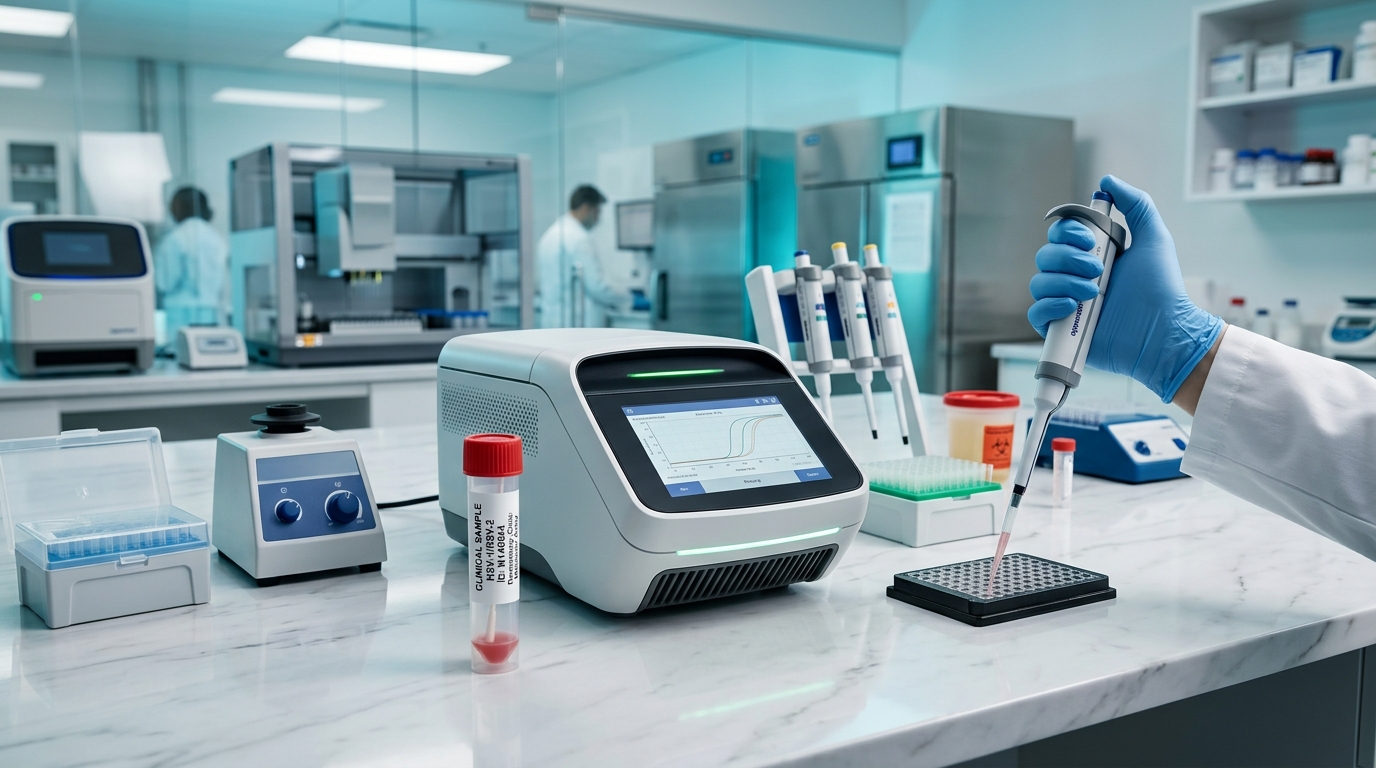
In high-standard clinical centers across Dubai, Abu Dhabi, and the wider UAE, patients presenting with acute genital ulcerations or unexplained perineal pain require rapid, stigma-free diagnostic differentiation. Booking comprehensive discrete sexual health and STI testing packages in Dubai ensures immediate access to multiplex viral PCR panels capable of distinguishing HSV-1, HSV-2, Syphilis, and Chancroid from a single swab.
Epidemiological Shift: The Rise of Genital HSV-1
Historically, HSV-1 was acquired almost universally during early childhood via non-sexual oral contact, providing cross-reactive partial immunity against subsequent genital acquisition. However, improved childhood hygiene and socioeconomic conditions have left young adults serologically naive when becoming sexually active. As oral sex has become widely practiced, HSV-1 has emerged as the leading cause of primary genital herpes in young adults:
- First-Episode Presentation: Up to 60% of new genital ulcer presentations in college-age and young professional cohorts in metropolitan centers are confirmed as HSV-1 upon real-time PCR testing.
- Viral Shedding & Transmission: Transmission frequently occurs from an asymptomatic sexual partner who has a history of childhood “cold sores” (oral herpes labialis) but no visible oral lesions at the time of oral-genital intimacy.
- Anatomical Tropism & Latency: While HSV-1 establishes latency in the sacral dorsal root ganglia (S2–S4) just like HSV-2, it is biological ill-adapted to the genital mucosal microenvironment. Consequently, genital HSV-1 exhibits dramatically fewer clinical recurrences and significantly lower asymptomatic viral shedding rates compared to genital HSV-2.
Core Clinical Indications: When Should Testing Be Ordered?
Diagnostic testing for genital HSV-1 is clinically indicated under specific presentations and patient scenarios:
| Clinical Indication | Presenting Symptoms / Scenario | Recommended Diagnostic Modality | Clinical Rationale & Impact |
|---|---|---|---|
| Acute Genital Ulceration (Primary Outbreak) | Multiple painful vesicular lesions, erythematous base, inguinal lymphadenopathy, fever, dysuria | Lesion Viral Swab Real-Time PCR (NAAT) | Immediate confirmation; differentiates HSV-1 from HSV-2; guides acute antiviral therapy |
| Atypical Genital Symptoms | Persistent perineal erythema, fissuring, recurrent excoriations, or chronic vulvar pain lacking classic blisters | Lesion PCR Swab during symptomatic flares | Unmasks atypical herpes presentations frequently misdiagnosed as recurrent candidiasis or contact dermatitis |
| Third-Trimester Pregnancy Screening | Pregnant women presenting with suspicious genital lesions or whose partners have active oral cold sores | Lesion PCR + Maternal Type-Specific IgG Serology | Primary genital HSV-1 acquired near delivery carries a 30%–50% risk of catastrophic neonatal herpes; mandates Cesarean delivery |
| Discordant Sexual Partners | One partner has confirmed genital or oral HSV; couple seeks transmission risk counseling | Type-Specific Glycoprotein G (gG-1 / gG-2) IgG Serology | Determines existing antibody status; guides daily suppressive antiviral therapy and barrier protection |
| Immunocompromised Patients | HIV, organ transplant recipients, or chemotherapy patients with extensive, non-healing mucocutaneous ulcers | Lesion PCR with Reflex Thymidine Kinase Resistance Mutation Sequencing | Identifies acyclovir-resistant HSV strains requiring second-line foscarnet or cidofovir therapy |
Diagnostic Modalities: PCR Swab vs. Type-Specific Serology vs. Viral Culture
The choice of laboratory method dictates diagnostic accuracy. Relying on outdated tests leads to high rates of misdiagnosis:
| Diagnostic Method | Clinical Sensitivity | Analytical Specificity | Optimal Timing & Limitations |
|---|---|---|---|
| Real-Time PCR (NAAT) (Gold Standard) | >98% to 100% | >99% | Most accurate when swabbed from fresh vesicular fluid or ulcer base within 48 to 72 hours of appearance. Outperforms culture by 4-fold in healing/crusted lesions. |
| Type-Specific IgG Serology (gG-1 / gG-2 ELISA) | 90% to 96% | 95% to 98% | Requires 6 to 12 weeks post-exposure for seroconversion (“window period”). Cannot establish anatomical site of infection (oral vs genital). |
| Viral Cell Culture | 30% to 50% (Very low in crusted lesions) | 100% | Requires viable intact virions; organisms die rapidly during room-temperature transport; takes 3 to 7 days; obsolete for routine practice. |
| Non-Type-Specific Serology (Crude Antigen / IgM) | UNACCEPTABLE CLINICAL UTILITY | Poor cross-reactivity | STRICTLY DISCOURAGED BY CDC & IUSTI. High false-positive rates; cross-reacts between types; IgM cannot distinguish primary from recurrent episodes. |
Prognostic Comparison: Genital HSV-1 vs. Genital HSV-2
Confirming whether a patient’s genital outbreak is caused by HSV-1 versus HSV-2 provides crucial psychological relief and alters long-term clinical prognosis:
| Clinical Parameter | Genital HSV-1 Infection | Genital HSV-2 Infection |
|---|---|---|
| Initial Outbreak Severity | Often severe, with prominent systemic symptoms (fever, malaise, urinary retention) | Can range from mild and subclinical to severe multi-vesicular clusters |
| First-Year Recurrence Rate | Very Low: Average 1 episode (or none) in the entire first year | High: Average 4 to 6 recurrences in the first year |
| Subsequent Recurrence Trend | Recurrences drop to near zero over 2 to 5 years | Recurrences often persist for decades without suppressive therapy |
| Asymptomatic Viral Shedding Rate | <1% to 3% of days after the first year | 10% to 20% of days; major driver of transmission |
| Need for Daily Suppressive Antivirals | Rarely needed; episodic on-demand therapy during rare flares is sufficient | Frequently prescribed (Valacyclovir 500–1000 mg daily) to curtail frequent outbreaks |
Step-by-Step Lesion Swab Collection Protocol
To ensure high molecular yield when performing a point-of-care or clinic swab:
- Select Fresh Lesions: Unroof an intact vesicle using a sterile 25-gauge needle tip, or vigorously swab the base of a freshly denuded ulcer. Crusted or scabbing lesions yield lower viral copy counts.
- Use Synthetic Swabs: Use Dacron, rayon, or flocked polyester swabs with plastic shafts. Never use calcium alginate swabs or wooden shafts, which contain PCR inhibitors.
- Viral Transport Medium (VTM): Immediately place the swab into universal viral transport medium (UTM/VTM) or saline. Store refrigerated at 2°C to 8°C until transported to the laboratory.
Antiviral Treatment Protocols for Primary Genital HSV-1
Initiating antiviral chemotherapy within 72 hours of symptom onset significantly curtails lesion duration, viral shedding, and systemic complications:
- Valacyclovir: 1,000 mg orally twice daily for 7 to 10 days (preferred due to superior bioavailability and twice-daily convenience).
- Acyclovir: 400 mg orally three times daily (or 200 mg five times daily) for 7 to 10 days.
- Famciclovir: 250 mg orally three times daily for 7 to 10 days.
- Symptomatic Adjuncts: Oral analgesics (ibuprofen, paracetamol), topical 2% lidocaine jelly for severe dysuria, and warm sitz baths.
Frequently Asked Questions (FAQ)
Can you get genital HSV-1 if you already have oral cold sores?
Having established oral HSV-1 infection (with documented anti-gG-1 antibodies) provides robust immunological protection against acquiring HSV-1 at the genital site. Autoinoculation is extremely rare and typically only occurs during the very first primary outbreak before circulating antibodies have matured.
Can a blood test tell if my HSV-1 is oral or genital?
No. Type-specific IgG blood tests only detect the presence of antibodies in circulating blood; they cannot identify the anatomical site of infection. Because over 60% of the adult population carries oral HSV-1 antibodies from childhood, a positive HSV-1 blood test in an asymptomatic patient does not indicate genital herpes.
How can I protect my partner if I have genital HSV-1?
Because genital HSV-1 sheds very infrequently, transmission rates are significantly lower than HSV-2. However, patients should avoid sexual contact during active prodromes or visible lesions, use barrier condoms, and discuss partner antibody status.
What are the risks of genital HSV-1 during labor and delivery?
Women who acquire a primary genital HSV-1 infection during the third trimester shed massive quantities of virus and lack maternal antibodies to pass transplacentally to the fetus. If active lesions or prodromal symptoms are present at the onset of labor, immediate Cesarean delivery is indicated to prevent fatal neonatal herpes encephalitis.
Scientific References & Authoritative Clinical Guidelines
- Centers for Disease Control and Prevention (CDC). Sexually Transmitted Infections Treatment Guidelines: Genital Herpes Simplex Virus. MMWR, 2024.
- International Union against Sexually Transmitted Infections (IUSTI). European Guideline for the Management of Genital Herpes Simplex Virus. IUSTI Guidelines, 2024.
- Dubai Health Authority (DHA). Standards for Outpatient Management of Genital Ulcer Disease and Viral STIs. UAE Health Regulations, 2024.