
When is Rectal STI Screening Indicated? Chlamydia, Gonorrhea & LGV NAAT Guidelines, Asymptomatic Reservoirs & Dubai Clinical Protocols
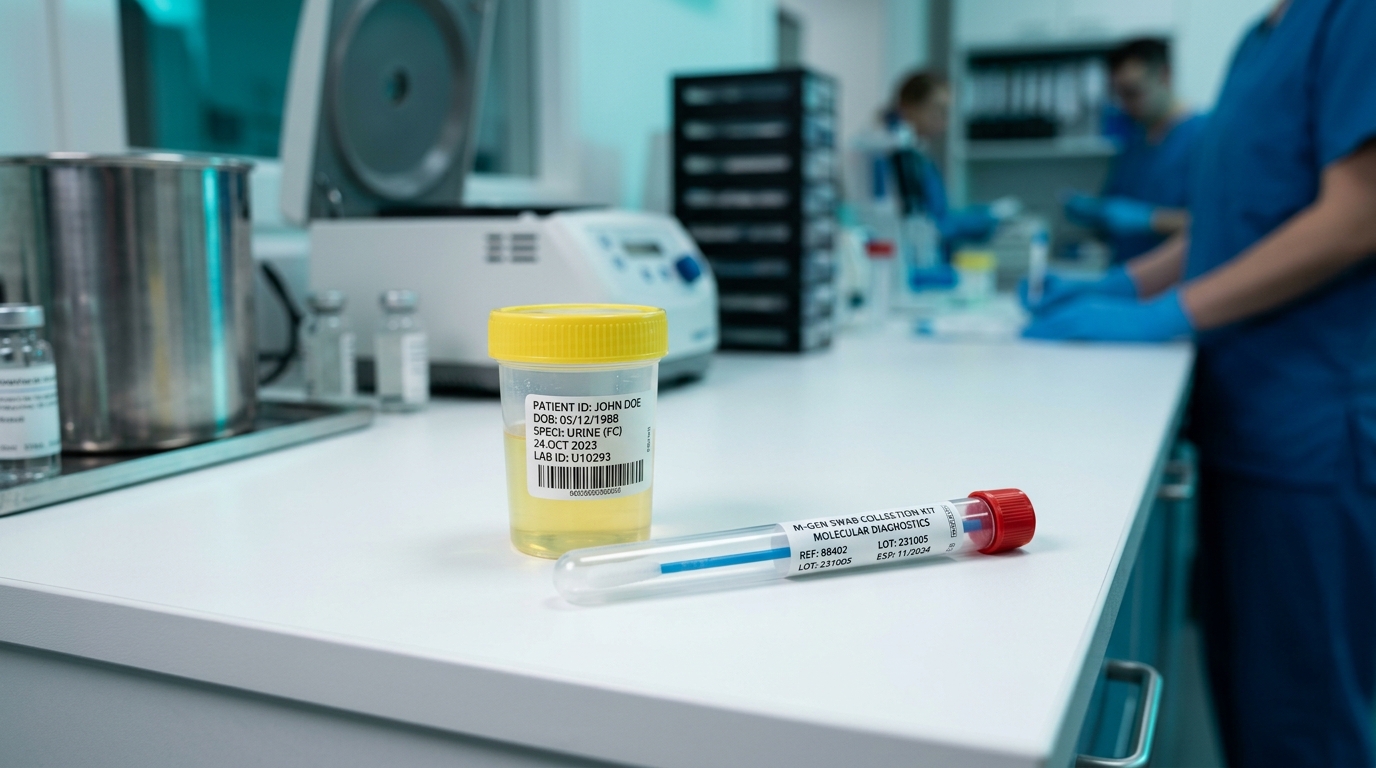
In specialized polyclinics and diagnostic centers across Dubai, Abu Dhabi, and the wider UAE, comprehensive triple-site screening ensures complete anatomical peace of mind. Sourcing confidential and discrete sexual health testing packages in Dubai guarantees access to certified molecular NAAT assays with total patient privacy.
The Urogenital Diagnostic Blind Spot: Epidemiological Reality
For decades, standard clinical practice limited STI testing to first-catch urine or cervical swabs. Major multicenter epidemiological studies published by the CDC and the British Association for Sexual Health and HIV (BASHH) revealed the clinical hazard of this approach:
- Isolated Extragenital Carriage: Among individuals practicing receptive anal intercourse, greater than 70% of those infected with chlamydia or gonorrhea have isolated extragenital infection with a completely negative urine or genital test. Ordering only urine tests gives these patients false reassurance while active mucosal infection persists.
- Asymptomatic Mucosal Reservoir: Unlike urethral gonorrhea, which causes intense burning and discharge in men, rectal gonorrhea and non-LGV chlamydia are overwhelmingly asymptomatic. The absence of symptoms does not equate to the absence of pathology.
- Amplification of HIV Transmission: Anorectal STIs recruit activated CD4+ T-helper lymphocytes to the rectal mucosa and disrupt epithelial tight junctions. This inflammatory breakdown multiplies both the risk of acquiring HIV from an infected partner and transmitting HIV if already positive.
Primary Clinical Indications for Rectal STI Screening
International clinical guidelines from the CDC, WHO, BASHH, and the Dubai Health Authority (DHA) establish clear criteria for ordering anorectal molecular tests:
| Clinical Scenario | Target Patient Cohort | Optimal Diagnostic Modality | Clinical Rationale & Management |
|---|---|---|---|
| Annual Asymptomatic Screening | Individuals reporting receptive anal intercourse in the past 12 months | Rectal flocked swab NAAT (CT/NG dual target) | Identifies silent reservoirs; recommended at least annually, or every 3–6 months if multiple partners. |
| Symptomatic Proctitis / Proctocolitis | Patients presenting with rectal pain, mucopurulent discharge, tenesmus, or hematochezia | Rectal NAAT + LGV reflex typing + HSV PCR | Immediate empirical treatment; differentiates common STIs from inflammatory bowel disease (Crohn’s/Ulcerative Colitis) flares. |
| HIV PrEP Routine Monitoring | Individuals taking oral or injectable HIV Pre-Exposure Prophylaxis | Quarterly (every 3 months) 3-site NAAT (rectal, pharyngeal, urine) | Mandatory guideline requirement; maintains safe sexual health baseline during active chemoprophylaxis. |
| Suspected Lymphogranuloma Venereum (LGV) | Severe ulcerative proctitis, bloody discharge, perirectal lymphadenopathy | Rectal chlamydia NAAT with reflex genotypic serovar testing (L1–L3) | Requires 21 days of oral Doxycycline rather than standard 7-day therapy to prevent irreversible rectal strictures. |
| Sexual Contact Notification | Partners of individuals diagnosed with confirmed rectal or genital CT/NG | Anatomical site NAAT + presumptive treatment | Halts community transmission networks and prevents partner re-infection. |
Specimen Collection: Clinician vs Self-Collected Swabs
A historical barrier to rectal STI testing was patient embarrassment and clinical reluctance to perform rigid anoscopy or digital rectal examinations. Extensive clinical trials have transformed collection protocols:
- Equivalence of Patient Self-Collection: Studies demonstrate that patient self-collected rectal swabs have equal or superior diagnostic sensitivity compared to clinician-collected swabs (> 97% concordance). When provided with simple illustrated instructions, patients comfortably collect valid specimens in a private restroom.
- Collection Technique: The patient inserts a Dacron or flocked synthetic swab approximately 2 to 3 cm (1 to 1.5 inches) past the anal sphincter into the anal canal, gently rotates the swab for 10 to 15 seconds against the rectal mucosal walls, and places the swab into the molecular transport vial.
- No Fecal Contamination Interference: Modern real-time PCR and TMA (Transcription-Mediated Amplification) assays are engineered to tolerate normal fecal matter. Fecal staining on the swab does not inhibit amplification. Anoscopy is only required if visual inspection for ulcerations, condylomata, or masses is clinically indicated.
Lymphogranuloma Venereum (LGV): The High-Consequence Diagnosis
Lymphogranuloma venereum is caused by invasive Chlamydia trachomatis serovars L1, L2, and L3. Unlike non-invasive serovars (D through K) that remain confined to mucosal surfaces, LGV targets perirectal and pelvic lymphoid tissues:
Clinical Presentation: Severe anorectal pain, mucoid or bloody rectal discharge, constipation, tenesmus, and deep pelvic lymphadenopathy. On endoscopy, LGV closely mimics the “cobblestone” ulceration of Crohn’s disease, frequently leading to tragic misdiagnoses and inappropriate immunosuppressive therapy.
Treatment Mandate: Standard 7-day doxycycline is inadequate for LGV. Confirmed or suspected LGV requires a full 21-day course of oral Doxycycline (100 mg twice daily) to eradicate systemic lymphoid infection and prevent permanent rectal fistulae or strictures.
Frequently Asked Questions (FAQ)
Can a urine test detect an STI located in the rectum?
No. A urine test only samples cells and secretions from the urinary bladder and anterior urethra. It cannot detect bacterial colonization or infection located in the rectal mucosa or pharynx. Each anatomical site exposed must be sampled independently.
Is a lubricant safe to use during self-collected rectal swabbing?
No. Patients must not apply lubricating jellies, lotions, or petroleum products to the swab, as chemical excipients in lubricants can interfere with molecular PCR enzyme amplification. If the swab is difficult to insert, moistening the tip with sterile physiological saline or sterile water is acceptable.
How does QuRapid protect patient confidentiality for rectal STI screening in the UAE?
QuRapid provides completely discrete, non-judgmental sexual health screening across Dubai and the UAE. With self-collection kit options, private clinical consultations, and confidential digital result delivery complying with UAE health data security standards, patients receive comprehensive care with complete privacy.
Authoritative Clinical References
- Centers for Disease Control and Prevention (CDC) – Extragenital Gonorrhea and Chlamydia Testing Guidelines
- British Association for Sexual Health and HIV (BASHH) – United Kingdom National Guideline for the Management of Proctitis
- World Health Organization (WHO) – Global Guidance for Extragenital STI Surveillance and Management